
Nothing ruins a hike like a blister. Uncomfortable and painful, even a small blister can stop you in your tracks. Blisters are one of the most common injuries experienced by hikers. By taking the right measures, blisters can be avoided through proper preparation and equipment choices.
What Causes Blisters?
A blister is a bubble filled with serum, plasma, blood, or pus formed from the uppermost layer of skin. This protective bubble cushions the layers of skin below, stopping additional damage to your skin and giving you time to heal. Blisters form as a protective defence mechanism for your skin when it experiences repeated trauma.
Friction is the primary culprit behind blister formation. When wearing poorly fitting boots, your heel rubs against the back of the boot with every step. After several miles of this constant rubbing, the skin responds by forming a blister. The repetitive motion creates heat and abrasion that separates the skin layers, allowing fluid to accumulate between them.
Sweaty, wet skin accelerates blister development significantly. Moisture softens the skin’s outer layer, making it more vulnerable to friction damage. When skin remains damp for extended periods, it loses its natural resilience and tears more easily under pressure. Preventing blisters requires addressing both friction and moisture through strategic equipment choices and preparation techniques.
What Are the Best Hiking Socks to Prevent Blisters?
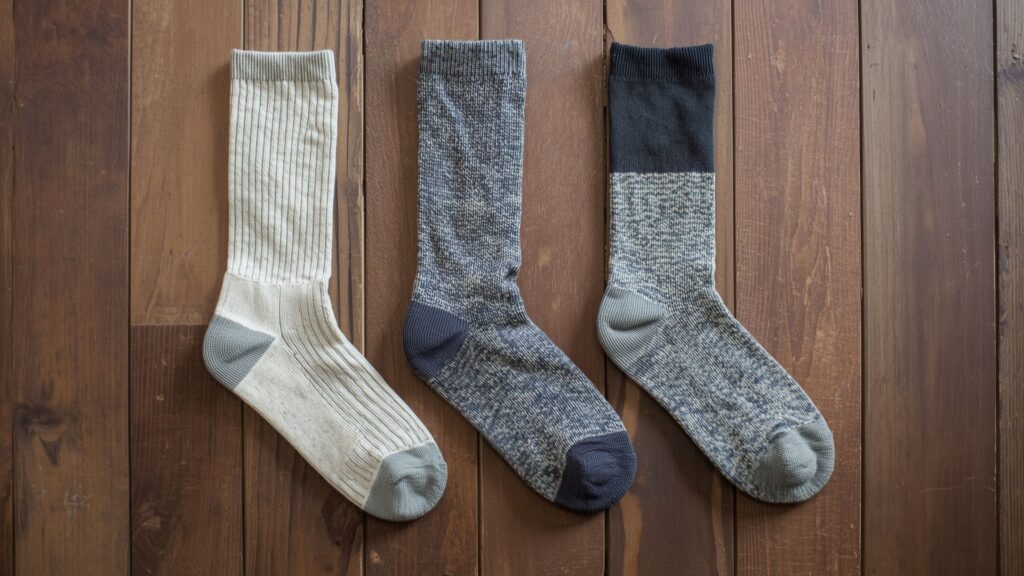
Selecting appropriate hiking socks forms the foundation of effective blister prevention. The socks you choose should reduce friction inside your boot whilst managing moisture efficiently.
Select socks with extra cushioning in areas where you develop hot spots. Hot spots are the red, tender areas that appear before a blister forms. This targeted cushioning provides a protective barrier that absorbs friction before it damages the skin.
Avoid cotton socks completely. A study conducted at the University of Missouri-Columbia found that people who wear all-cotton socks are more likely to form blisters during physical activity. Cotton absorbs water rapidly and takes hours to dry out, creating the perfect wet environment for blisters to develop.
Look for hiking socks made of wool or synthetic microfibers instead. Merino wool excels at moisture management whilst maintaining warmth even when damp. Synthetic materials like polyester, nylon, and polypropylene wick sweat away from your skin and dry quickly.
Consider using liner socks under your regular hiking socks. Liner socks act like a second skin to reduce friction between your foot and the outer sock. With this system, the friction that would normally occur between sock and skin instead happens between the two sock layers. Liner socks also wick moisture to the outer sock layer, keeping your feet dry throughout the hike.
What Kind of Boots Should You Wear to Prevent Blisters?
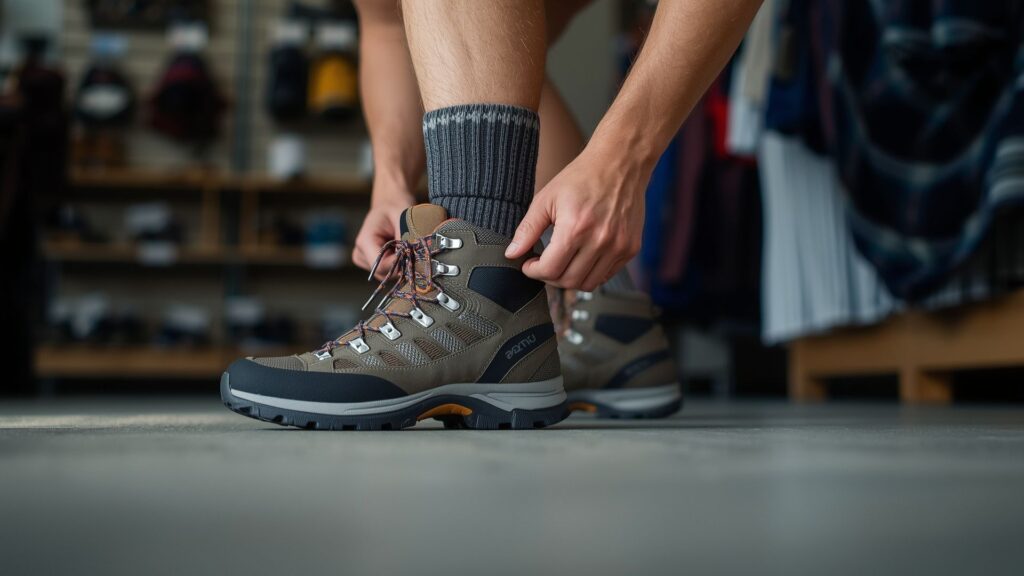
Boot selection directly impacts blister formation rates during hiking. Choose high-quality hiking boots designed for your specific terrain and conditions. Water-resistant boots keep your feet dry in wet conditions, preventing the moisture-related blister formation that plagues hikers in damp environments.
Boot fit determines whether you hike comfortably or develop painful blisters. Boots that are too large allow your foot to slide forward and backward with each step. The constant impact against the toe box and heel forces your skin to activate its blister defence mechanisms.
Conversely, boots that are too small guarantee blister formation. As you hike, your feet swell from increased blood flow and repetitive impact. If no extra room exists in your boot, your foot presses against the sides and creates intense friction points. Most hikers require boots half a size larger than their regular shoe size to accommodate this natural swelling.
Try boots on later in the day when your feet are slightly swollen. Wear the socks you plan to hike in and walk around the shop for at least 15 minutes. Your toes should not touch the front of the boot when standing, and your heel should stay in place when you walk.
Is There a Way to Lace Your Shoes That Will Prevent Blisters?
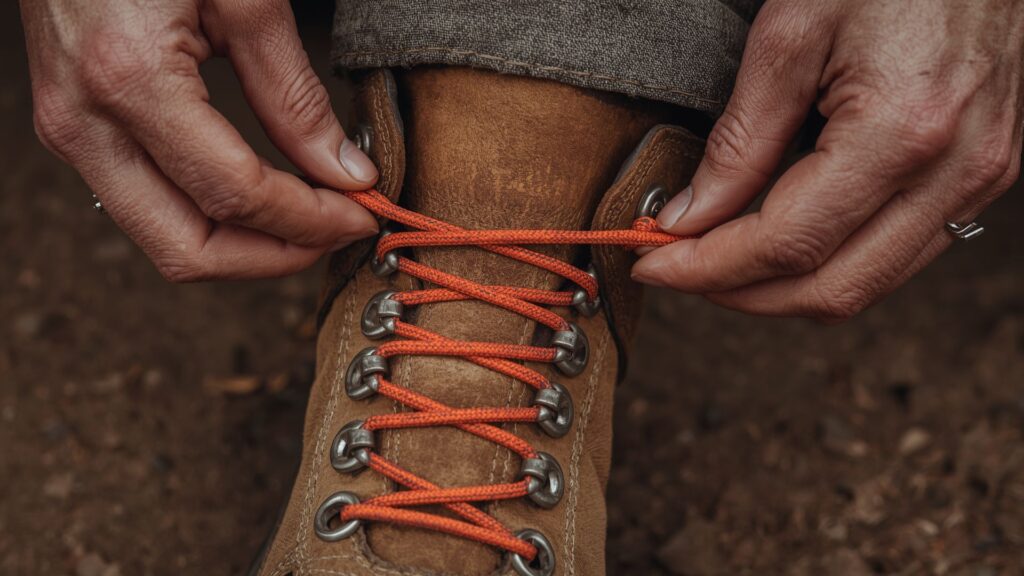
Even in properly fitted boots, foot movement inside the boot creates friction. Lacing techniques control this internal movement and significantly reduce blister risk.
The heel lock lacing technique prevents your heel from lifting with each step. Thread the laces through the top eyelet to create a small loop on each side. Cross the laces and thread each one through the opposite loop before tightening. This creates a secure lock that holds your heel firmly in place whilst maintaining circulation.
For pressure points on the top of your foot, use the window lacing method. Skip one set of eyelets over the painful area to reduce pressure whilst maintaining overall boot security. Adjust lacing tension throughout your hike as your feet swell.
Are There Other Steps You Can Take to Reduce Friction and Moisture?
Quality socks and boots form the foundation of blister prevention, but additional products enhance protection further.
Lubricants made from petroleum jelly, wax, and silicon reduce friction when applied to your feet before putting on socks. These products make your skin slippery, allowing your socks to glide against your skin rather than grip and rub. Apply lubricants generously to your heels, toes, and any areas where you typically develop hot spots.
Anti-friction powders absorb moisture whilst creating a dry, smooth surface. Talcum-based powders work well for hikers who sweat heavily. Most lubricants and powders absorb into the skin or lose effectiveness over time. Reapply these products during rest breaks on long hikes.
What If You’re Still Getting Blisters?
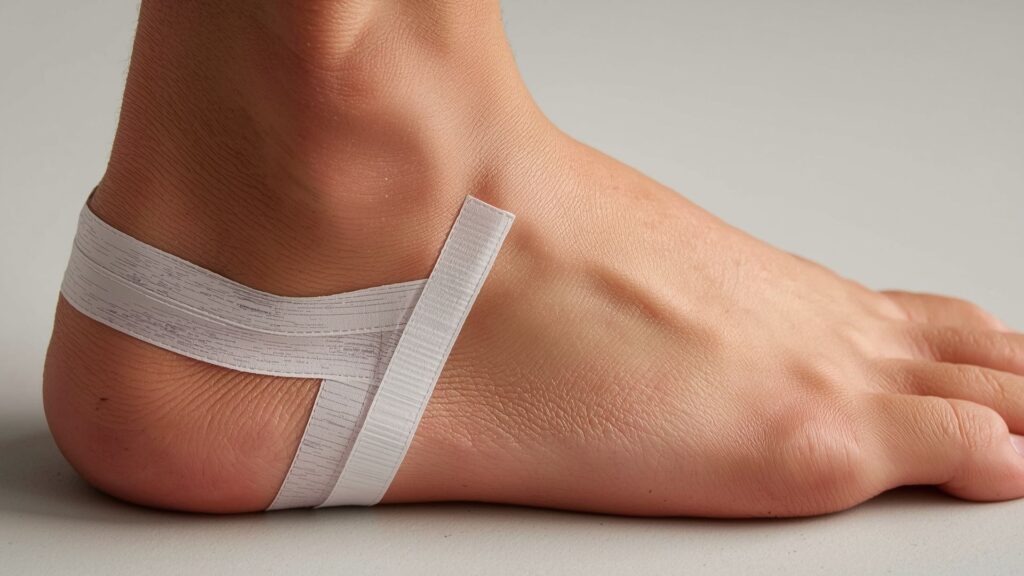
Some hikers develop blisters despite following all prevention guidelines. Pre-taping problem areas with zinc oxide tape provides a protective barrier before blisters form. Zinc oxide tape is a rigid, adhesive tape that adheres directly to your skin. Pre-wrapping vulnerable spots with this tape creates a smooth, protective surface that prevents abrasive friction from reaching your skin.
Apply zinc oxide tape to clean, dry skin before putting on socks. Ensure the tape covers the entire problem area with no wrinkles or folds that could create new friction points. Some hikers tape their heels, toes, and sides of their feet before every long hike as a preventive measure.
Consider custom orthotics if you consistently develop blisters in the same locations. A podiatrist can identify biomechanical issues causing unusual pressure points and create custom inserts that redistribute pressure across your foot.
Check Your Problem Areas Throughout Your Hike
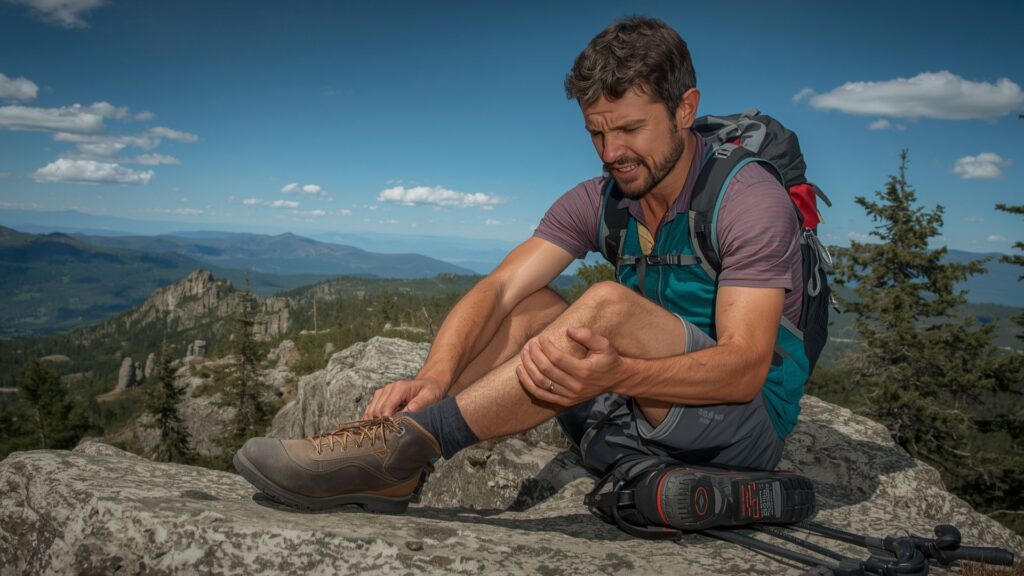
Regular foot inspections prevent minor irritations from developing into painful blisters. Stop every 5-10 kilometres to check your feet, particularly on longer hikes. Remove your boots and socks completely to inspect your skin. Look for red, tender areas that indicate hot spots forming.
Change your socks during these inspection stops if they feel damp. Wet socks lose their protective properties and accelerate blister formation. Carry at least one spare pair of socks on day hikes. Reapply anti-chafing powders and lubricants during rest stops, as these products lose effectiveness through absorption and friction.
What Can I Do If I Start to Develop a Blister on the Hike?
Acting quickly when you notice a hot spot stops blisters from forming completely. Cover the hot spot with moleskin immediately upon noticing discomfort. Moleskin is a soft, adhesive-backed fabric that provides cushioning and reduces friction. Cut the moleskin larger than the affected area and apply it to clean, dry skin.
Medical tape, bandages, or even duct tape work when moleskin is unavailable. Many experienced hikers carry duct tape specifically for blister prevention. The tape’s smooth surface reduces friction whilst its strong adhesive keeps it in place through sweat and movement.
Adjust your lacing and boot fit immediately when you notice discomfort. Sometimes a simple lacing adjustment eliminates the pressure causing the hot spot.
Training Your Feet for Long Hikes
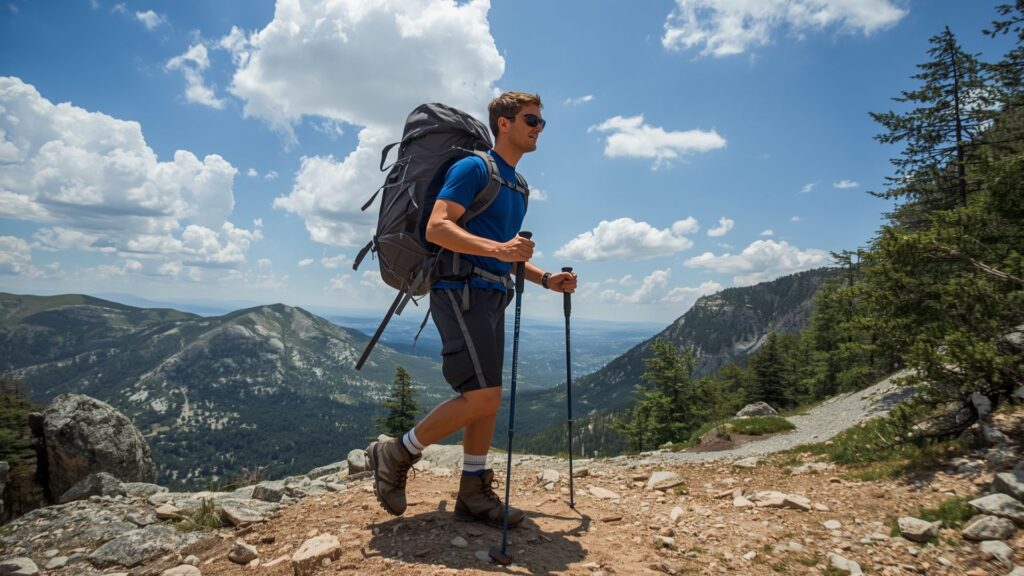
Conditioning your feet before major hiking trips significantly reduces blister risk. Build your hiking distance gradually over several weeks. Start with shorter hikes of 5-8 kilometres and increase distance by 10-15% each week. This progressive approach allows your skin to adapt to friction and develop protective calluses in appropriate areas.
Hike in the boots you plan to wear on your major trek. New boots require a breaking-in period where they mould to your foot shape. Wear your hiking boots around town for short periods before taking them on trails.
Consider training hikes with Pat Falvey Irish & Worldwide Adventures to prepare for major expeditions like guided Carrauntoohil hikes or Kilimanjaro expeditions. Experienced guides provide technique coaching and equipment advice that prevents common blister-causing mistakes.
FAQs
Small blisters heal within 3-7 days if kept clean and protected. Larger blisters require 1-2 weeks for complete healing. Avoid picking at healing blisters to prevent infection.
Wearing liner socks under hiking socks reduces blister formation by moving friction between sock layers. Ensure your boots fit properly with both layers to avoid pressure points.
Use moisture-wicking synthetic socks, anti-perspirant foot sprays, and change socks frequently. Apply foot antiperspirant the night before hiking for best results.
A hot spot is the red, tender area that appears before a blister forms. Hot spots indicate friction is occurring but skin layers have not separated yet.
Wear new boots for 1-2 hours daily around town, gradually increasing to 8+ hours over 2-4 weeks. Always wear your hiking socks during break-in.
Pre-taping is necessary only if you consistently develop blisters in specific locations despite proper boots and socks. Most hikers do not require preventive taping with correct footwear selection and preparation for treks like Everest Base Camp