
The Everest Base Camp trek ranks among the most sought-after trekking experiences for mountain enthusiasts worldwide. Understanding the best time to trek to Everest Base Camp determines your safety, comfort, and overall experience in the Himalayas. Pat Falvey Irish & Worldwide Adventures, Ireland’s leading expedition team with over 30 years of Himalayan experience, provides this comprehensive guide to help you select the optimal season for your journey to the base of the world’s highest mountain.
Why Weather Determines the Best Time to Trek to Everest Base Camp
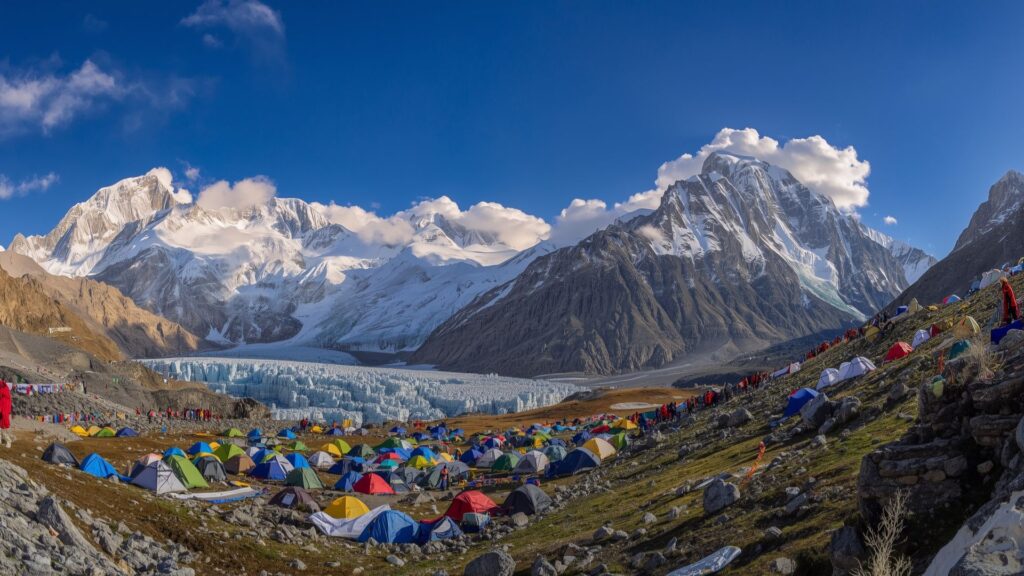
Weather patterns in the Himalayan region directly impact every aspect of your Everest Base Camp experience. The vast Himalayan mountain range contains multiple climate zones, each affecting trekking conditions differently based on elevation and time of year.
Temperature variations across the Everest region change dramatically with altitude. Lower elevations remain relatively mild throughout the year, whilst higher altitudes experience extreme cold that can drop to minus 20 degrees Celsius during winter months. The best time to trek to Everest Base Camp coincides with periods of stable weather, reduced precipitation, and temperatures that allow comfortable trekking without excessive cold exposure.
Visibility plays a crucial role in your trekking experience. Clear skies allow you to witness the spectacular panorama of Himalayan peaks, including Mount Everest, Lhotse, Nuptse, and Ama Dablam. Cloud cover and precipitation during monsoon season obscure these views and make trails dangerous. Pat Falvey’s team schedules Everest Base Camp expeditions during optimal weather windows to maximise your chances of clear mountain views throughout the trek.
The Everest region receives significant snowfall during winter and heavy rainfall during monsoon season. Snow accumulation blocks high passes and makes trails treacherous, whilst monsoon rains create muddy conditions and increase avalanche risk. These factors make spring and autumn the preferred seasons for trekking to Everest Base Camp.
Spring Season: Peak Trekking from March to May
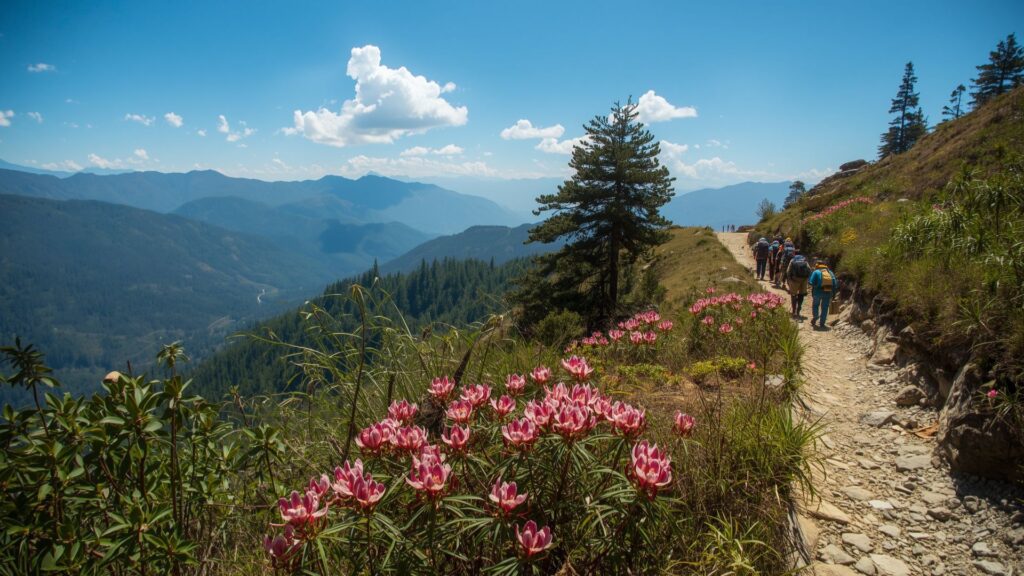
Spring represents the best time to trek to Everest Base Camp for trekkers seeking reliable weather and vibrant natural scenery. The pre-monsoon months of March, April, and May offer stable conditions with gradually warming temperatures and extended daylight hours.
March marks the transition from winter to spring in the Everest region. Early March still experiences occasional snow showers, particularly at higher elevations above 4,000 metres. Temperatures range from minus 5 degrees Celsius at night to 10 degrees Celsius during the day at Everest Base Camp altitude. The weather stabilises as the month progresses, with increasingly clear skies and reduced snowfall. Trekkers who choose March benefit from fewer crowds compared to April and May.
April delivers the best time to trek to Everest Base Camp for those seeking optimal weather conditions. Temperatures warm considerably, ranging from 0 degrees Celsius at night to 15 degrees Celsius during the day at base camp elevation. Clear skies dominate throughout the month, providing exceptional visibility of the Himalayan panorama. The rhododendron forests along the lower trekking routes burst into bloom during April, displaying vibrant red, pink, and white flowers that transform the landscape.
April coincides with the main Everest climbing season, when international mountaineering expeditions establish camps along the route to the summit. Trekkers encounter a vibrant atmosphere with multiple expedition teams, creating opportunities to meet climbers from around the world and witness the logistical operations of summit attempts.
May extends the prime trekking window, though temperatures continue rising and afternoon clouds become more frequent as the monsoon season approaches. Daytime temperatures at Everest Base Camp reach 15 to 20 degrees Celsius, whilst nights remain cool at 0 to 5 degrees Celsius. Early May offers excellent conditions similar to April, with clear mornings and stable weather. Pat Falvey’s Island Peak and Everest Base Camp combination trips often schedule for May, allowing climbers to attempt Island Peak’s 6,189-metre summit after acclimatising on the base camp trek.
Autumn Season: Prime Trekking from September to November
Autumn rivals spring as the best time to trek to Everest Base Camp, offering clear skies, stable weather, and moderate temperatures. The post-monsoon months of September, October, and November provide consistently excellent trekking conditions after monsoon rains clear the atmosphere.
Late September marks the end of monsoon season and the beginning of autumn trekking. Early September still experiences occasional rain showers, particularly in lower elevations. By mid-September, weather patterns stabilise and skies clear. Temperatures remain relatively warm, ranging from 5 degrees Celsius at night to 15 degrees Celsius during the day at base camp altitude. The monsoon rains leave the landscape lush and green, with clear, dust-free air that enhances mountain visibility.
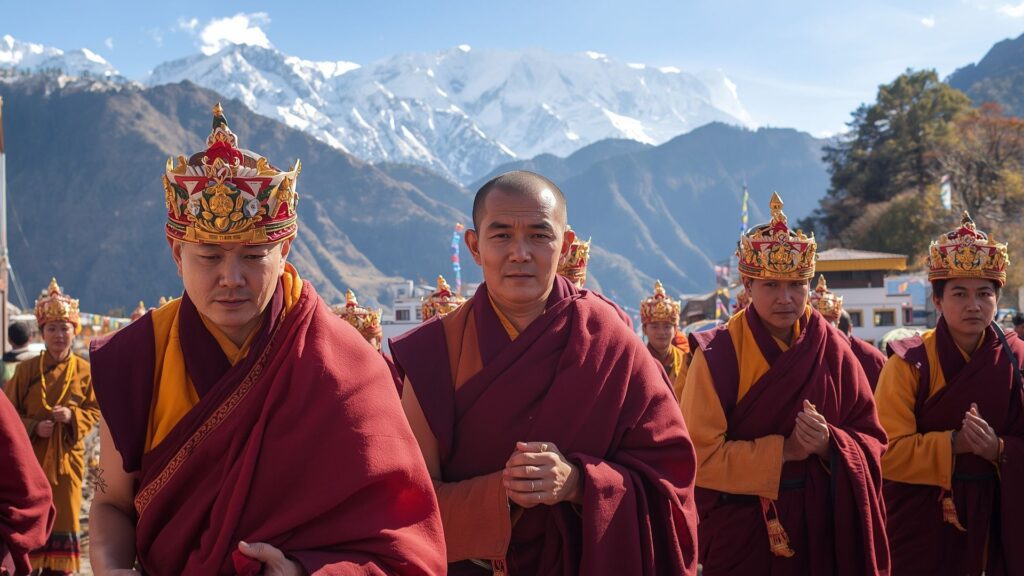
October stands out as the best time to trek to Everest Base Camp for many experienced trekkers. Weather conditions reach their most stable point of the year, with minimal precipitation and consistently clear skies. Temperatures remain comfortable for trekking, ranging from 0 degrees Celsius at night to 12 degrees Celsius during the day at higher elevations. The Sherpa communities in the Khumbu region celebrate several cultural festivals during October, including Mani Rimdu at Tengboche Monastery. This three-day Buddhist festival features masked dances, ceremonies, and celebrations that provide trekkers insight into Sherpa culture and spiritual traditions.
Visibility during October typically surpasses all other months, with crystal-clear air following the monsoon season. Photographers particularly value October for capturing sharp, detailed images of Himalayan peaks without atmospheric haze.
November extends the autumn trekking season, though temperatures drop as winter approaches. Daytime temperatures at Everest Base Camp range from 8 to 12 degrees Celsius, whilst nights become significantly colder at minus 10 degrees Celsius or below. Clear skies persist throughout November, maintaining excellent visibility for mountain views. Early November offers conditions similar to October, making it excellent for trekking. Trekker numbers decline in November compared to October, providing a quieter experience.
Understanding Temperature and Visibility Patterns
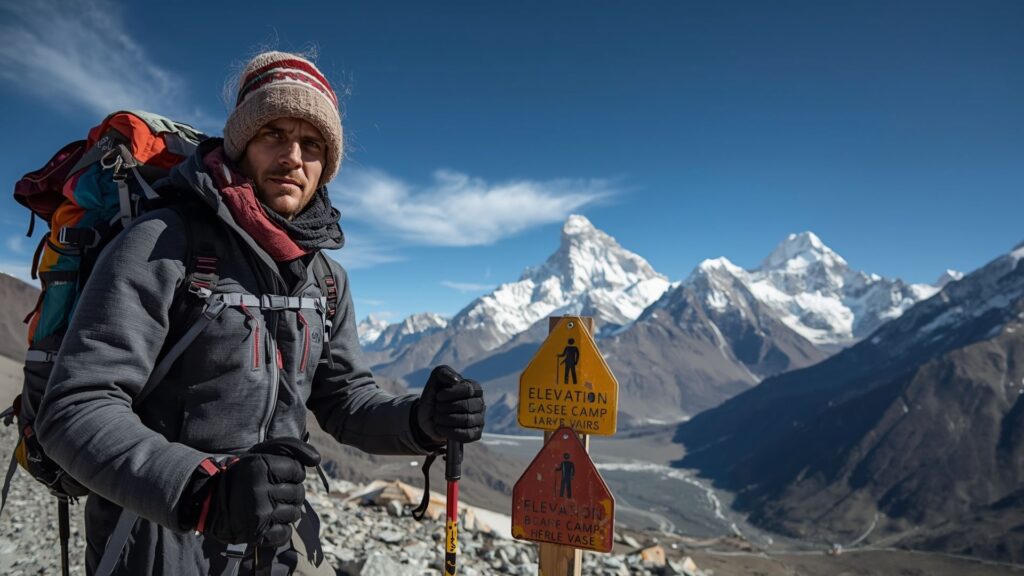
Temperature variations across the Everest region follow predictable patterns based on elevation and season. Base camp sits at 5,364 metres elevation, where temperatures drop significantly below lower elevations. During spring and autumn, daytime temperatures at base camp range from 10 to 15 degrees Celsius, whilst nights cool to minus 5 to 0 degrees Celsius. Winter temperatures plummet to minus 20 degrees Celsius or lower, with windchill making conditions dangerous without proper equipment.
Altitude affects how your body experiences temperature. Thinner air at higher elevations provides less insulation, making temperatures feel colder than thermometer readings suggest. Wind significantly increases heat loss, requiring windproof outer layers even during relatively mild weather. Pat Falvey’s team provides comprehensive gear lists for treks based on seasonal temperature patterns.
Clear mountain views represent one of the primary reasons trekkers journey to Everest Base Camp. Spring and autumn offer the best visibility conditions, with clear skies allowing unobstructed views of Mount Everest, Lhotse, Nuptse, Ama Dablam, Pumori, and numerous other peaks above 6,000 metres. Monsoon season brings heavy cloud cover that obscures mountains for days at a time, whilst winter storms reduce visibility and create whiteout conditions at higher elevations.
Preparing for Your Everest Base Camp Trek
Selecting the best time to trek to Everest Base Camp represents just the first step in preparing for this challenging adventure. Physical fitness, proper acclimatisation, and appropriate gear all contribute to successful completion of the trek.
Physical preparation should begin 12 to 16 weeks before departure. Cardiovascular fitness allows you to trek 5 to 7 hours daily at altitude without excessive fatigue. Hill walking with a weighted pack builds leg strength and prepares you for steep ascents and descents on Himalayan trails. Pat Falvey’s team provides detailed training programmes for all expedition clients.
Acclimatisation prevents altitude sickness by allowing your body to adjust gradually to reduced oxygen levels. The trek to Everest Base Camp includes rest days at Namche Bazaar (3,440 metres) and Dingboche (4,410 metres) specifically for acclimatisation. Proper pacing and hydration support this process throughout the trek.
Gear requirements vary by season. Spring treks require four-season sleeping bags rated to minus 15 degrees Celsius, whilst autumn treks function with three-season bags in most cases. Layered clothing systems allow you to adjust insulation as temperatures change throughout each day. Quality trekking boots with ankle support prevent injuries on rough terrain.
Making Your Decision
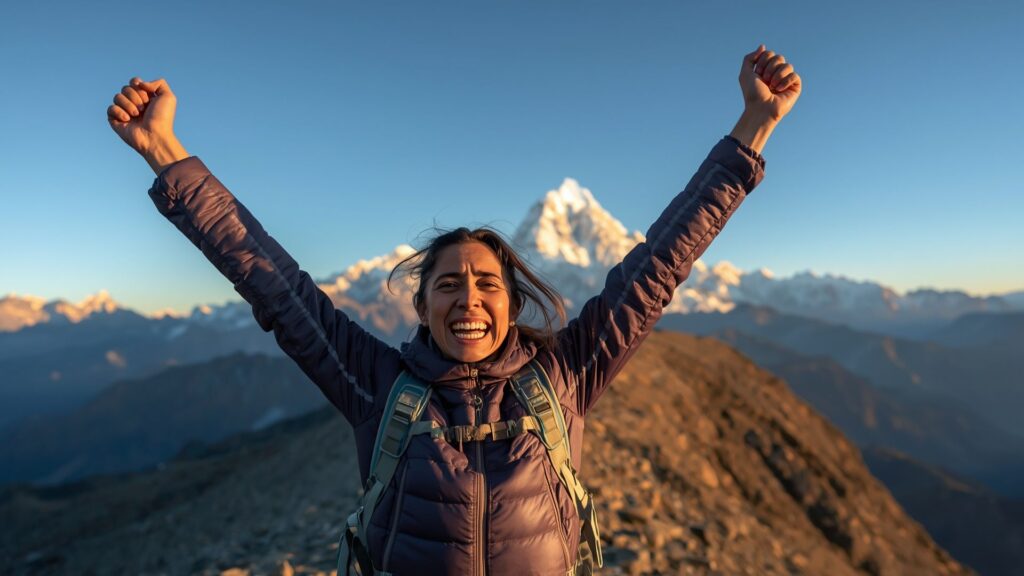
Choosing the best time to trek to Everest Base Camp depends on your priorities, schedule flexibility, and experience level. Spring offers blooming landscapes and expedition atmosphere, whilst autumn provides the most stable weather and cultural festival opportunities.
October represents the single best month for Everest Base Camp trekking based on weather stability, visibility, and moderate temperatures. April follows closely, offering similar conditions with the added spectacle of rhododendron blooms and spring climbing season activity. March and November extend the prime trekking seasons for those seeking fewer crowds or specific timing requirements.
Pat Falvey Irish & Worldwide Adventures schedules multiple Everest Base Camp expeditions throughout spring and autumn seasons. This flexibility allows you to select departure dates that align with your schedule whilst ensuring optimal trekking conditions. The team’s 30 years of Himalayan experience includes over 65 successful Kilimanjaro expeditions and multiple Everest summits, demonstrating the expertise that supports all guided treks.
Booking your trek 6 to 12 months in advance ensures availability during peak seasons and provides adequate time for physical preparation. The standard Everest Base Camp trek requires 12 to 14 days, including acclimatisation rest days and contingency time for weather delays. Insurance coverage must include emergency helicopter evacuation from high altitude, with comprehensive travel insurance that specifically covers trekking above 5,000 metres protecting you against substantial expenses.
Pat Falvey’s team arranges all necessary permits, domestic flights, and logistics, allowing you to focus on physical preparation rather than administrative details. Beyond Nepal, the team offers worldwide adventures including Annapurna Base Camp, Mount Toubkal, Aconcagua, and Carrauntoohil guided hikes that provide excellent preparation for Himalayan trekking.