
Hill walking for beginners provides an excellent low-impact workout that delivers multiple physical and mental health benefits. Studies demonstrate that hill walking for beginners reduces anxiety, prevents osteoporosis, and builds cardiovascular fitness. The activity takes you beyond treadmills and paved paths into natural environments where terrain varies and challenges adapt to your growing abilities.
Hill walking for beginners involves more variables than gym-based exercise including weather changes, elevation gains, and natural trail surfaces. These variables create the enjoyment and challenge that make outdoor walking rewarding. The following essential tips guide beginners through their first treks successfully.
Choosing Your First Trail
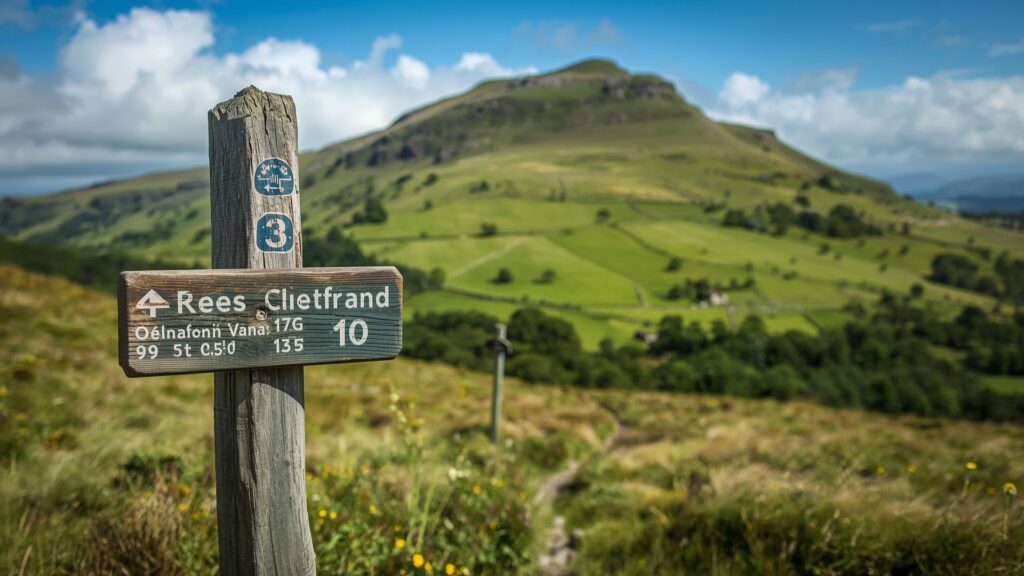
Trail selection determines whether your first hill walking experience builds confidence or creates discouragement. Beginners need specific criteria for matching trails to current fitness levels.
Start Small and Match Your Fitness Level
Hill walking for beginners requires selecting routes shorter than distances you walk comfortably on level surfaces. Calculate hiking time at roughly 2 miles per hour on flat terrain. Add one hour for every 1,000 feet of elevation gain. After completing one or two walks, you develop a sense for appropriate distances and elevation changes.
Research Your Route Thoroughly
Trail research prevents getting lost and identifies potential hazards before you start. Obtain a detailed map of the area and review recent trail reports online. Determine whether the route forms a loop or requires backtracking. Note all trail intersections where wrong turns occur. Look for features like lakes or peaks that provide good rest stops with views.
Weather and Safety Preparation
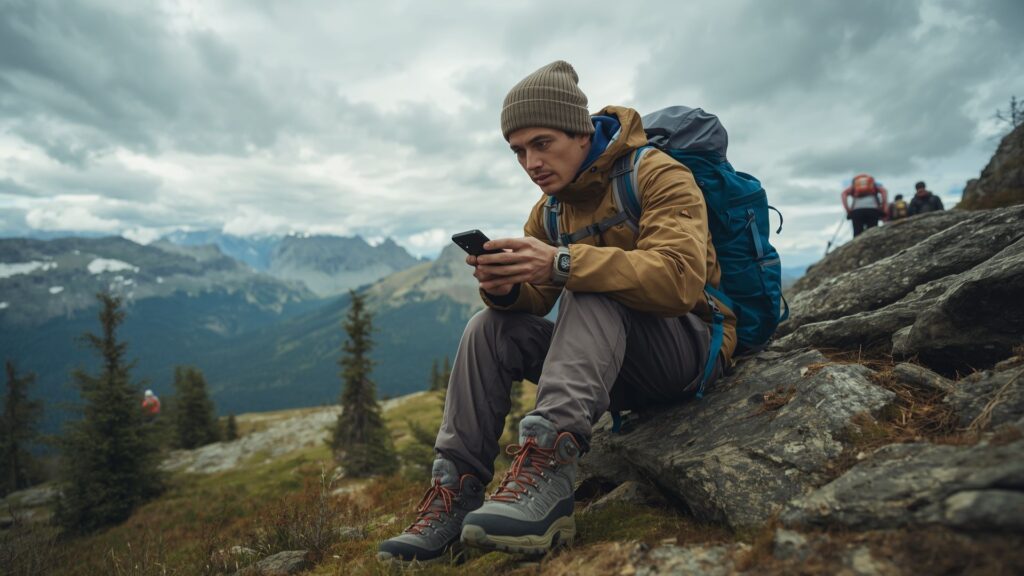
Weather preparation separates safe, enjoyable walks from potentially dangerous situations. Beginners must develop weather-checking habits before every outing.
Check Weather Forecasts Multiple Times
Hill walking for beginners demands checking weather forecasts two days before your walk and again three hours before departure. Weather information guides clothing choices and packing decisions. Forecast warnings for severe weather provide time to postpone rather than face dangerous conditions on exposed trails.
Inform Someone of Your Plans
Someone not joining your walk needs to know your route and emergency contact time. Set a “worry time” several hours after your planned finish to allow for slow pace, photo stops, or minor injuries causing delays. Emergency communication devices allow summoning help by satellite but do not replace personal safety responsibility.
Essential Equipment for Hill Walking
Proper equipment makes hill walking comfortable and safe. The 10 essential systems cover all scenarios from short summer walks to challenging winter conditions.
Pack the 10 Essential Systems
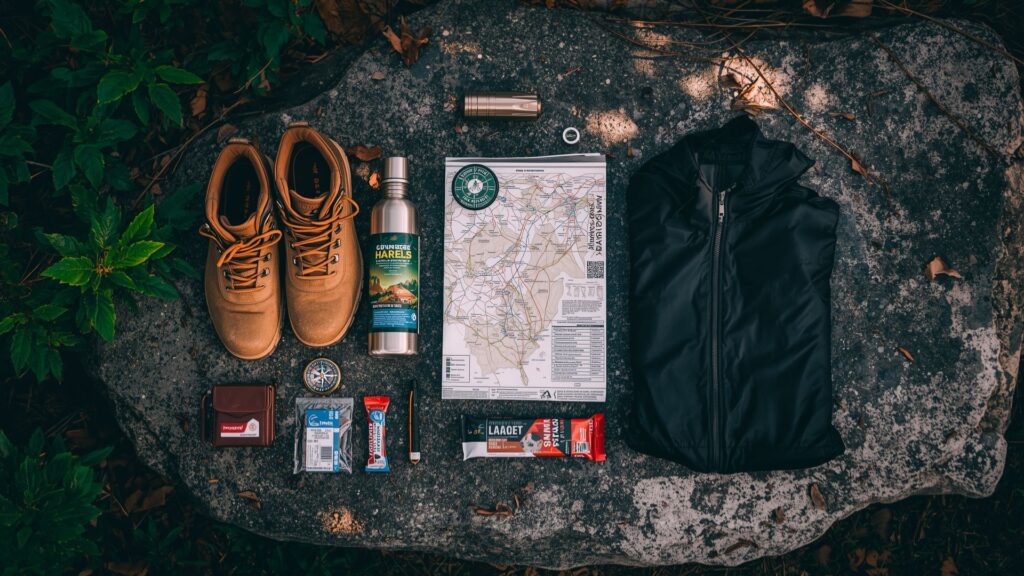
Hill walking for beginners requires carrying systems that ensure safety during unexpected overnight situations. Adjust each system’s complexity based on walk length and remoteness. Short summer walks near towns need only compact items whilst remote winter walks require comprehensive equipment. The 10 essential systems include:
- Navigation – Map and compass for route finding
- Sun Protection – Sunglasses and sunscreen prevent burns and eye damage
- Insulation – Extra clothing layers for temperature drops
- Illumination – Head torch or flashlight for delayed returns
- First-Aid Supplies – Plasters, bandages, and basic medications
- Fire Starting – Waterproof matches, lighter, and firelighters
- Repair Kit – Basic tools and duct tape for equipment fixes
- Nutrition – Extra food beyond planned snacks
- Hydration – Extra water above estimated needs
- Emergency Shelter – Lightweight emergency blanket or bivvy bag
These systems fit easily into a day pack when tailored to specific walks. Most items match what you pack for outdoor picnics.
Choose Proper Footwear and Socks
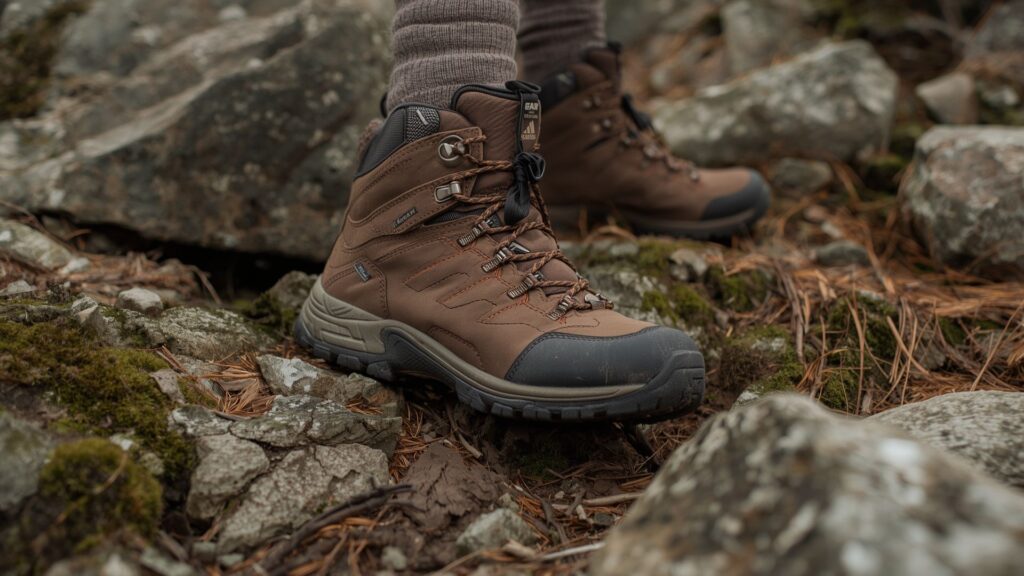
Painful feet ruin walks. Hill walking for beginners demands quality hiking shoes with good ankle support and grippy soles. Modern lightweight hiking shoes require minimal break-in compared to traditional heavy leather boots. Wool or synthetic socks prevent blisters whilst cotton socks cause dampness and friction. Pack blister plasters as backup.
Dress in Layers
Foot comfort established, proper clothing ensures comfort throughout your walk. Skip cotton garments entirely because they absorb moisture and stay damp causing chafing and heat loss. Synthetic fabrics or merino wool wick moisture and dry quickly. Layer clothing so you add or remove pieces as temperature and exertion change. Pack one extra warm layer beyond your estimate, preferably windproof.
Packing and Pacing Strategy
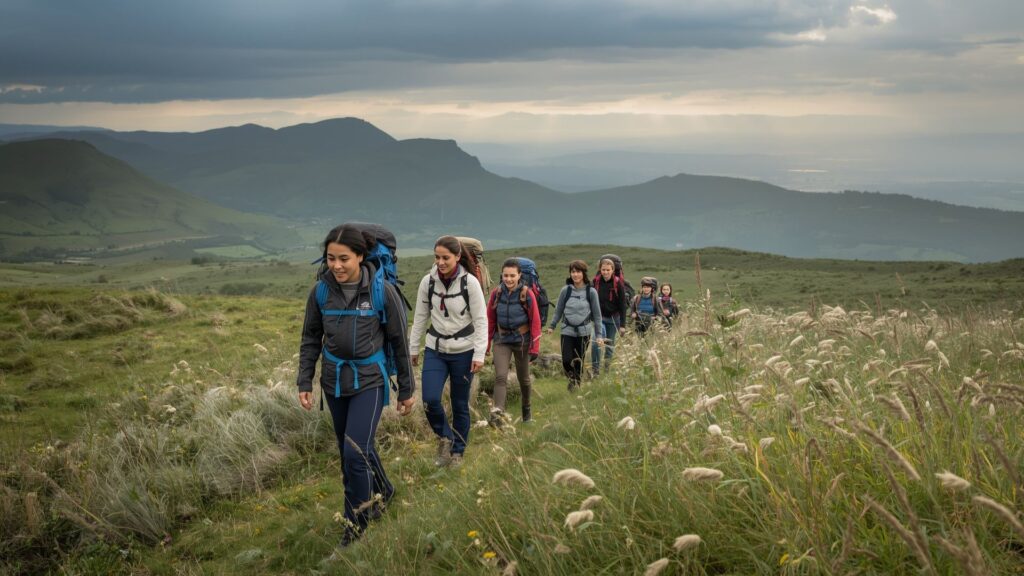
Smart packing and sustainable pacing separate successful first walks from exhausting struggles. These strategies help beginners complete routes comfortably.
Keep Your Pack Lightweight
Pack light by choosing the smallest practical version of each item. Travel-size sunscreen weighs less than family-size bottles. Compact emergency blankets take less space than full bivvy bags for short walks. Every unnecessary gram adds fatigue over miles.
Maintain a Sustainable Pace
Hill walking for beginners often starts with excessive enthusiasm that depletes energy quickly. Choose a pace you maintain all day from the first step. The pace feels slightly slow initially but proves comfortable after miles of walking and climbing. Consistent pacing prevents exhaustion and allows enjoying views and surroundings.
Leave No Trace Principles
Protecting natural spaces ensures beautiful trails remain accessible for future walkers. Leave No Trace principles guide responsible outdoor behaviour.
Beautiful trails stay beautiful when walkers follow Leave No Trace Seven Principles. These guidelines cover waste disposal, campfire use, wildlife respect, and trail etiquette. Every outdoor enthusiast shares responsibility for preserving natural spaces. Read the full Leave No Trace principles online before your first walk.
Physical Preparation for Hill Walking

Hill walking for beginners benefits from specific physical preparation that builds strength and endurance. Proper preparation prevents injuries and increases enjoyment on trails.
Begin preparation six weeks before your first hill walk. Walk on flat surfaces for 30 minutes three times weekly during weeks one and two. Increase to 45 minutes during weeks three and four. Add hills or stairs during weeks five and six. This gradual progression builds cardiovascular fitness and leg strength without overtraining.
Hill walking demands strong quadriceps, hamstrings, calves, and core muscles. Bodyweight squats build leg strength using 3 sets of 12 repetitions twice weekly. Lunges develop balance and single-leg strength essential for uneven terrain. Calf raises strengthen lower legs for uphill climbing and downhill braking. Core exercises including planks provide stability on rocky or steep sections.
Stretching after walks prevents muscle tightness and reduces injury risk. Focus on quadriceps, hamstrings, calves, and hip flexors. Hold each stretch for 30 seconds without bouncing. Regular stretching maintains flexibility and improves stride efficiency on trails.
Nutrition and Hydration for Hill Walking
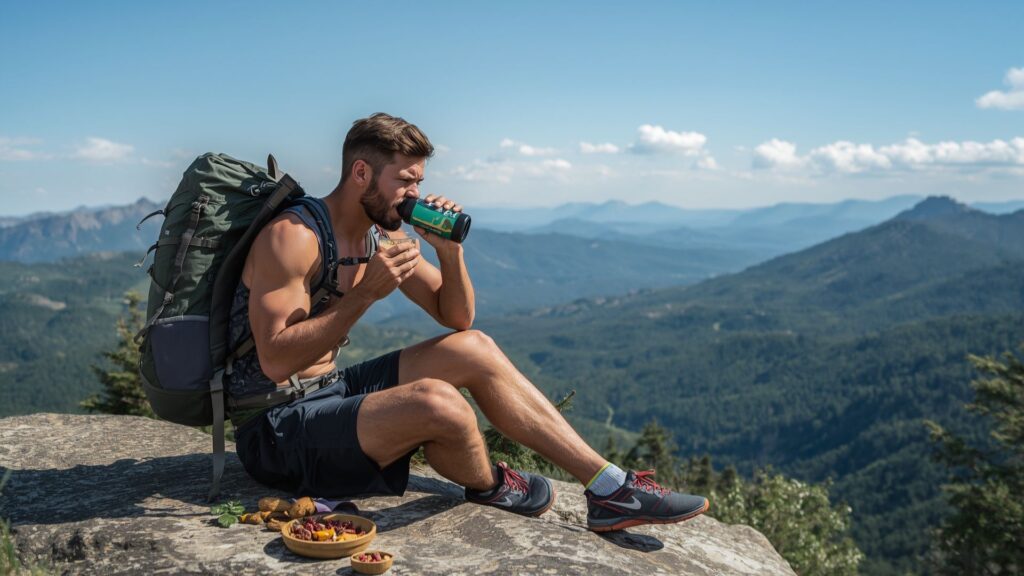
Proper fuelling powers your walk and speeds recovery. Beginners often underestimate nutritional needs for outdoor activity.
Eat a substantial breakfast 2-3 hours before starting. Complex carbohydrates like porridge provide sustained energy. Include protein from eggs or yoghurt to support muscle function. Avoid heavy, fatty foods that cause digestive discomfort during exercise.
Pack 200-300 calories above your estimated needs. Trail mix, energy bars, sandwiches, and fruit provide portable energy. Eat small amounts every hour rather than waiting until hungry. Blood sugar crashes cause fatigue and poor decision-making on trails. Pat Falvey’s guided Carrauntoohil hikes include guidance on optimal trail nutrition for Irish mountain conditions.
Drink 500ml of water two hours before starting your walk. Carry 1 litre for every 2-3 hours of walking in moderate temperatures. Increase water for hot weather or strenuous routes. Drink regularly in small amounts rather than large quantities infrequently. Dehydration symptoms include headache, fatigue, and dark urine.
Understanding Irish Hill Walking Conditions
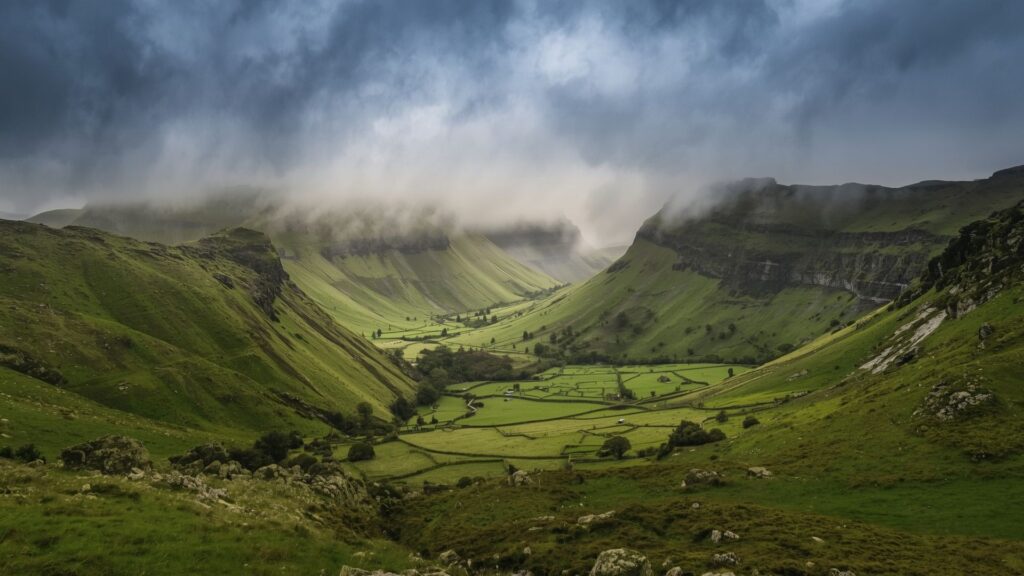
Ireland’s climate creates unique conditions that beginners must understand. Weather changes rapidly and terrain varies significantly between regions.
Irish mountains experience rapid weather changes with temperature drops of 10-15 degrees Celsius at higher elevations. Cloud can descend quickly reducing visibility to metres. Rain arrives with little warning even on clear morning starts. Kerry’s mountains including MacGillycuddy’s Reeks demonstrate these changeable conditions. Always pack waterproofs regardless of morning forecasts.
Irish hill walking trails include bog, scree, rocky paths, and grassy slopes. Bog sections require careful foot placement to avoid sinking or twisting ankles. Scree slopes shift underfoot demanding balance and concentration. Rocky sections need three points of contact when scrambling. Grass becomes slippery when wet creating slide hazards on steep ground.
Summer provides longer daylight hours and milder temperatures but attracts more walkers to popular routes. Autumn delivers stunning colours whilst trails become muddier from increased rainfall. Winter offers clear views but demands extra clothing, shorter walking hours, and ice awareness. Spring brings variable conditions with snow possible on higher peaks into May.
Connecting with Ireland’s Walking Community
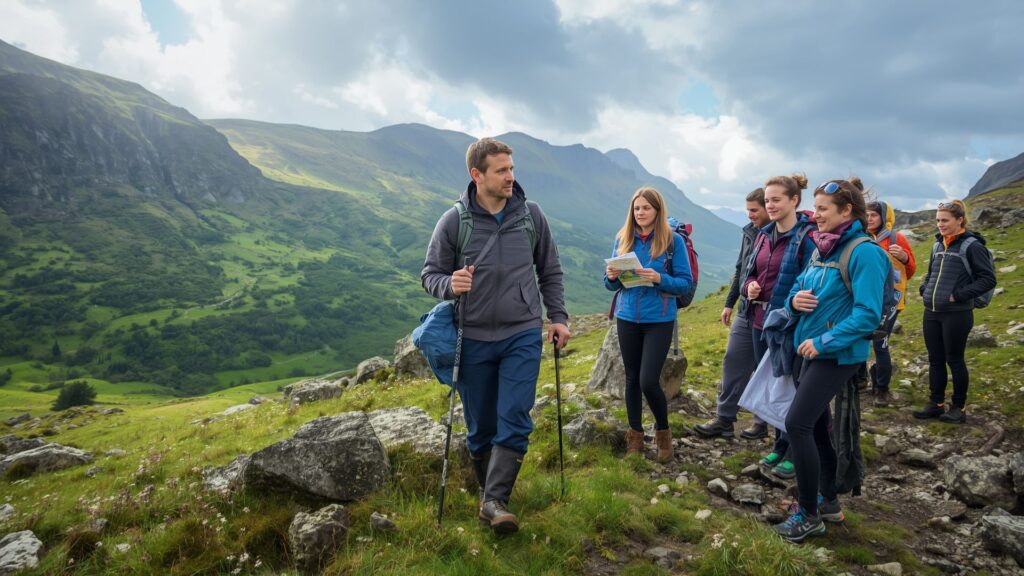
Hill walking for beginners becomes more enjoyable and safer when joining experienced groups. Ireland offers numerous opportunities for supported outdoor experiences.
Pat Falvey Irish & Worldwide Adventures offers guided walks throughout Kerry’s most spectacular mountain terrain. Professional mountain leaders provide navigation, safety oversight, and local knowledge that accelerates beginner development. Guided experiences remove anxiety about route finding and allow focusing on technique and enjoyment. Participants learn proper pacing, equipment use, and terrain assessment from qualified instructors.
Successful hill walking experiences build confidence for larger adventures. Kerry provides progression from gentle coastal walks to challenging mountain summits. Carrauntoohil, Ireland’s highest peak at 1,038 metres, represents an achievable goal for prepared beginners. Beyond Ireland, Pat Falvey guides Kilimanjaro expeditions for walkers ready to attempt their first high-altitude trek. Everest Base Camp offers another progression point for experienced hill walkers seeking Himalayan adventure.
The Mountain Lodge in Beaufort, Killarney, serves as base for Irish mountain experiences throughout the year. The location provides accommodation and training facilities for walkers preparing for domestic or international expeditions. Contact details include +353 64 6644 181 and info@patfalvey.com for booking guided experiences or accommodation.