
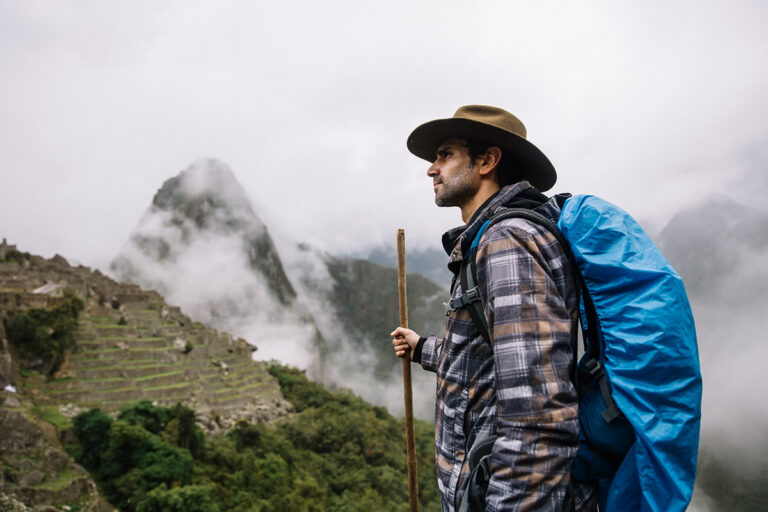
world renowned explorer
Trek to Machu Picchu through the Peruvian Andes on the Salkantay route — the best alternative to the classic Inca Trail. Cross a 4,650m mountain pass, descend through cloud forest and coffee farms, walk a section of original Inca trail at Llactapata, and arrive at the Lost City of the Incas on foot. Group departures from Ireland in July and September.
PERU
4,650 m
10 DAYS
MAY to SEPTEMBER
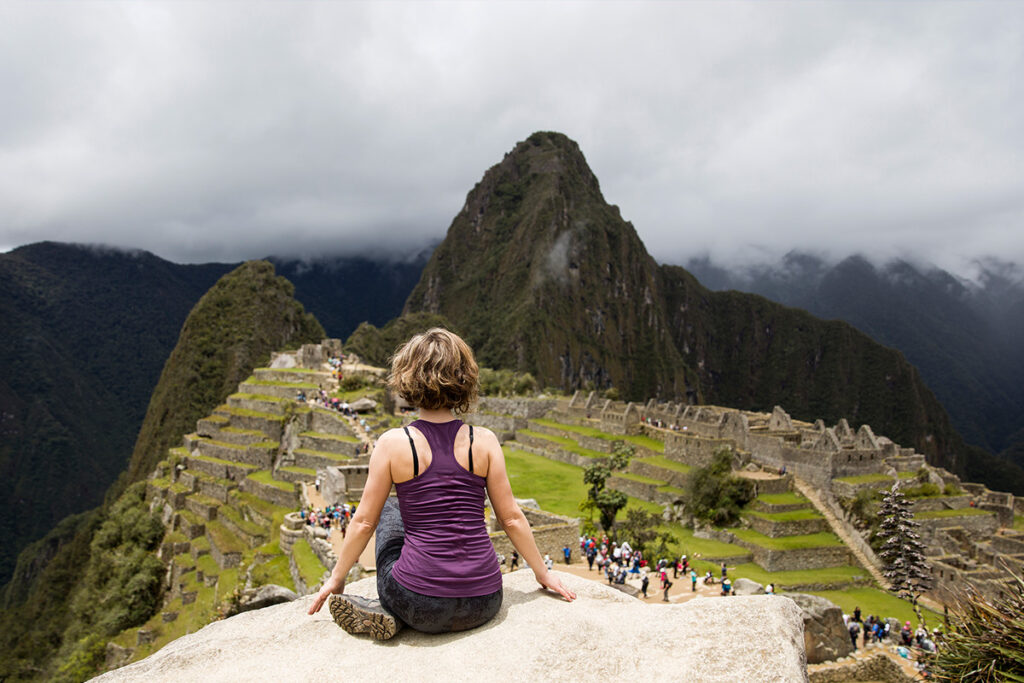
If you want to trek to Machu Picchu on foot, the Salkantay route is the best way to do it. It covers more varied terrain than the classic Inca Trail, is less crowded, and doesn’t require the limited government permits that sell out months in advance — while still including a section of original Inca trail at Llactapata before you reach Machu Picchu.
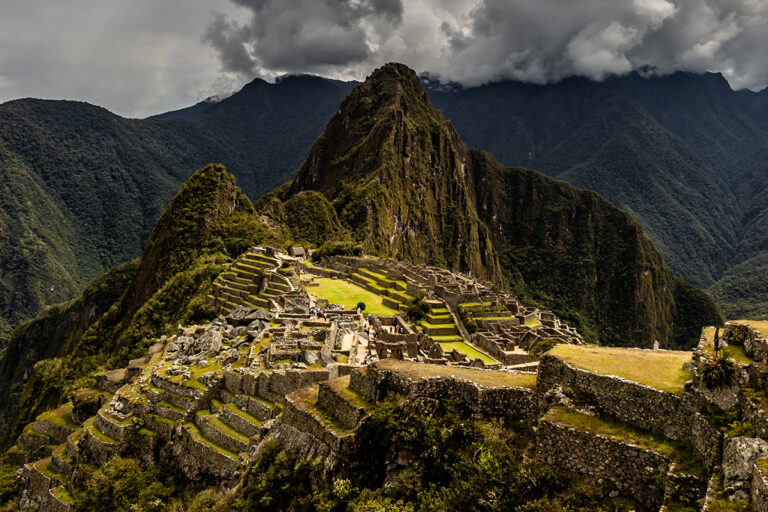
The route takes you from Cusco over the 4,650m Salkantay Pass, with views of the snowcapped Salkantay peak (6,271m) and the Vilcabamba mountain range. From the pass you descend through cloud forest, past banana, coffee, and avocado farms along the Santa Teresa River valley. You then pick up the original Inca trail at Llactapata — with views of the Machu Picchu sanctuary from the southeast — before arriving at the citadel itself for a full guided tour.
This is a proper Inca trail experience. You walk through the same Andean landscapes, pass Inca ruins, and arrive at Machu Picchu on foot — just via a more scenic and less crowded route than the classic trail. Pat Falvey’s team handles everything from Ireland: flights, accommodation, guides, porters, chefs, camping gear, train transfers, and your guided Machu Picchu tour.
Pat Falvey Irish and Worldwide Adventures limited is bonded and fully licenced by the Irish Aviation Authority, TA 0791.
The classic Inca Trail follows the original Inca road network to Machu Picchu and is limited to 500 people per day (including guides and porters), meaning permits sell out months in advance. The Salkantay route takes a different path through a wider range of landscapes — from alpine passes above 4,500m to subtropical valley floors — and still includes a section of original Inca trail at Llactapata before reaching Machu Picchu.
The Salkantay trek offers bigger mountain views, more climate zones (you walk from snow to tropical farmland in two days), and a quieter trail. You still get a full guided tour of the Machu Picchu citadel with the option to climb Huayna Picchu for the iconic aerial view. For people travelling from Ireland without the luxury of booking classic Inca Trail permits six months ahead, the Salkantay is the smarter option — and many trekkers say it’s the better one.
Pat Falvey’s team has been running expeditions on every continent since 1995. The same planning, safety, and guiding standards behind Everest and Kilimanjaro apply to every Peru trip.
The Salkantay Pass reaches 4,650m — proper high altitude. Two acclimatisation days in Cusco at 3,400m are built into the itinerary, giving your body time to adjust before the big climb.
Pat Falvey Irish & Worldwide Adventures is licensed and bonded by the Irish Aviation Authority (TA 0791). Your booking is protected.
Flights, hotels, permits, guides, porters, chefs, camping equipment, train transfers, and your Machu Picchu tour — all sorted before you leave Dublin.
Our itinerary is built from decades of expedition experience across the Andes and high mountains worldwide.
This is an adventure trek in a mountain environment and may be subject to minor changes depending on weather and conditions.
Day 1: Depart Dublin — Arrive Lima Arrive in Lima, where our guide meets you at the airport and transfers you to your hotel in Peru’s capital.
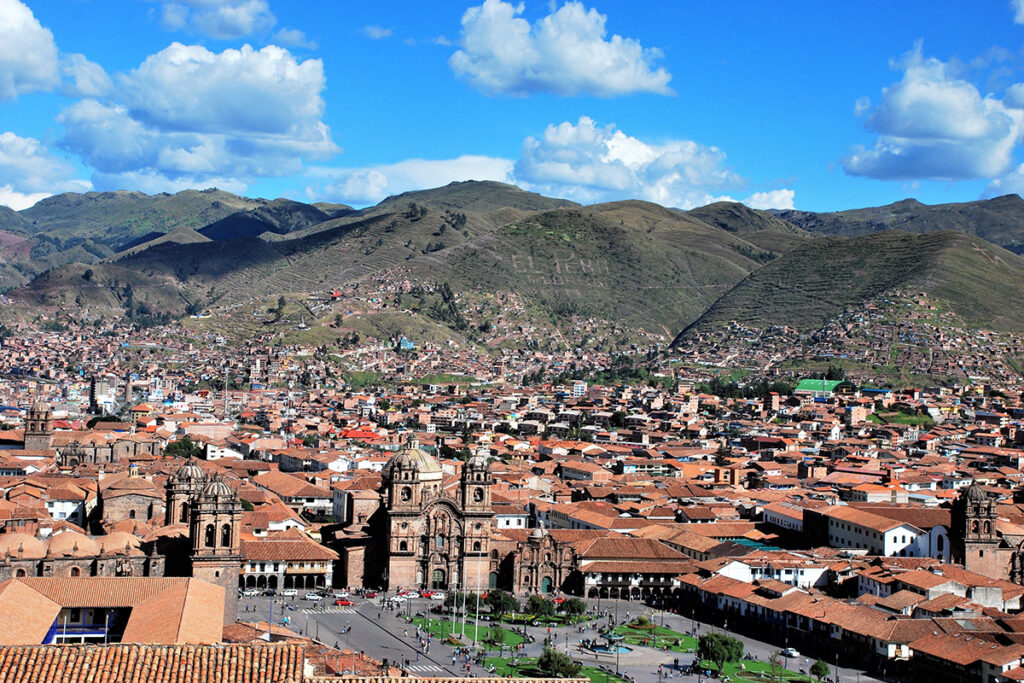
Day 2: Lima to Cusco (3,400m) Fly from Lima to Cusco, the ancient Inca capital. Settle into your hotel and begin acclimatising to the altitude at 3,400m.
Day 3: Cusco — Rest and Acclimatisation Day (3,400m) A free day to explore Cusco at your own pace. Walk the cobbled streets around the Plaza de Armas, visit Inca stonework sites, and take in the mix of Inca and Spanish colonial architecture. This rest day is an important part of the acclimatisation process before the trek begins.
Day 4: Cusco to Salkantay Pass (4,650m) — Camp at Andenes Early departure by vehicle to Soraypampa. Trek to the Salkantay Pass at 4,650m with views of the snowcapped peaks of the Vilcabamba mountain range, including Salkantay itself at 6,271m. Descend to camp at Andenes, a sheltered spot surrounded by mountain scenery.
Day 5: Andenes to Lucmabamba Trek along the Santa Teresa River valley as the landscape changes from alpine terrain to subtropical farmland. Pass through banana, granadilla, avocado, and coffee plantations. A short drive brings you to Lucmabamba, the starting point for the Llactapata Inca Trail section.
Day 6: Lucmabamba to Llactapata to Aguas Calientes Trek through bamboo forest with views of the Machu Picchu sanctuary from the southeast via the Inca site at Llactapata. Continue to the railway and take the train to Aguas Calientes, the gateway town to Machu Picchu, for an overnight stay.
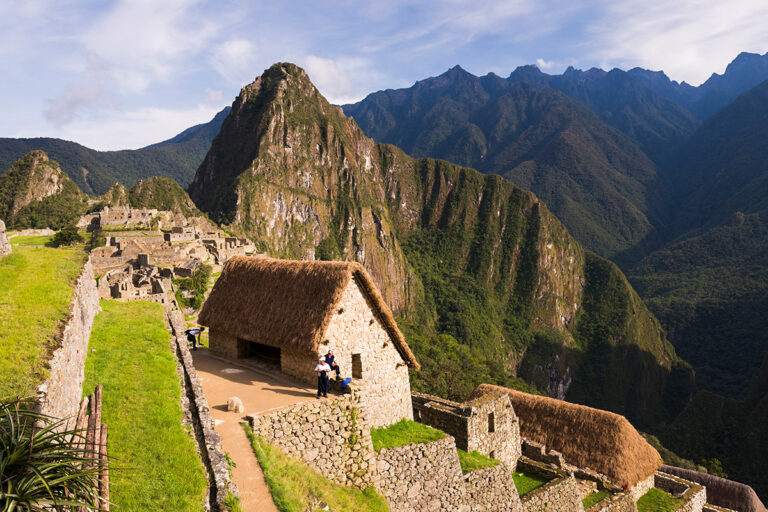
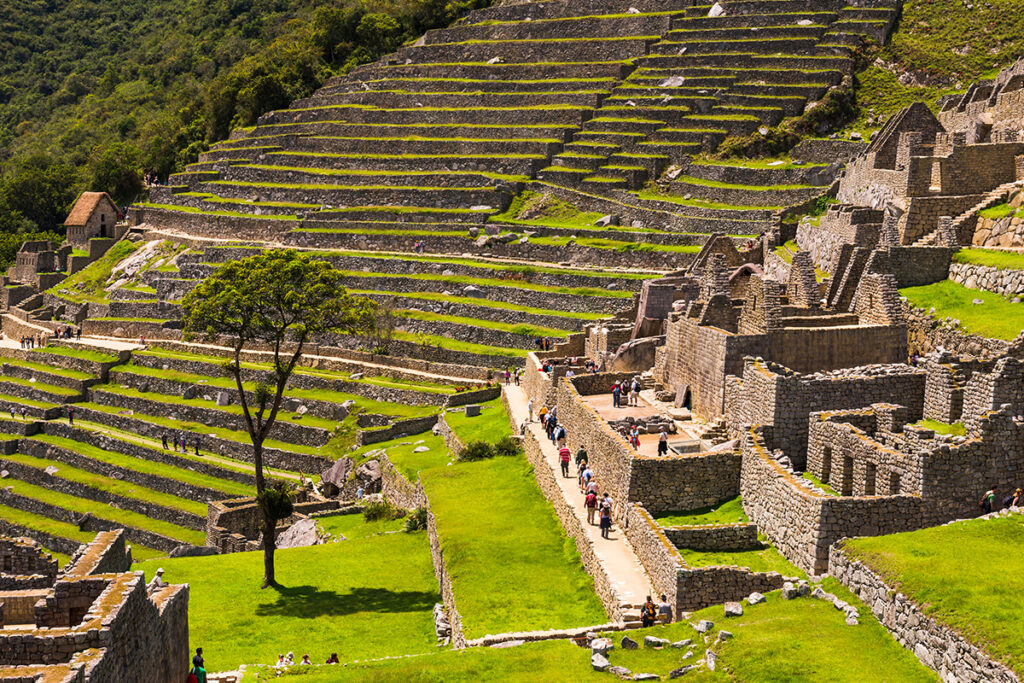
Day 7: Machu Picchu — Guided Tour — Return to Cusco Morning visit to Machu Picchu with a full guided tour of the citadel — the Lost City of the Incas. Optional climb of Huayna Picchu (2,693m) for the famous aerial view across the ruins and the Urubamba River valley below. Evening train to Ollantaytambo, then private transfer back to Cusco.
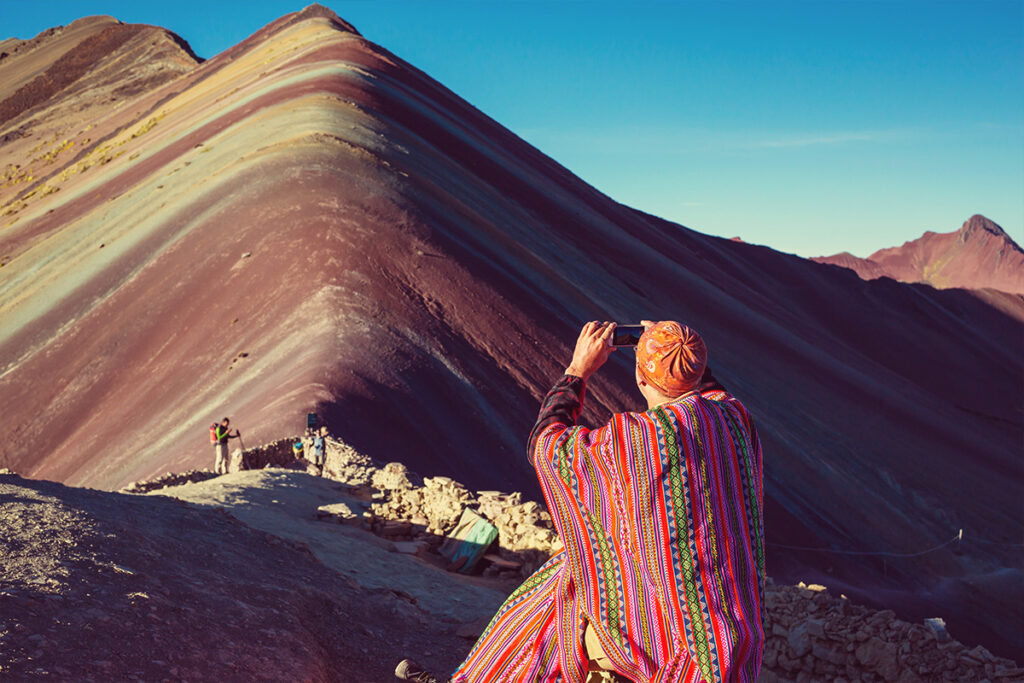
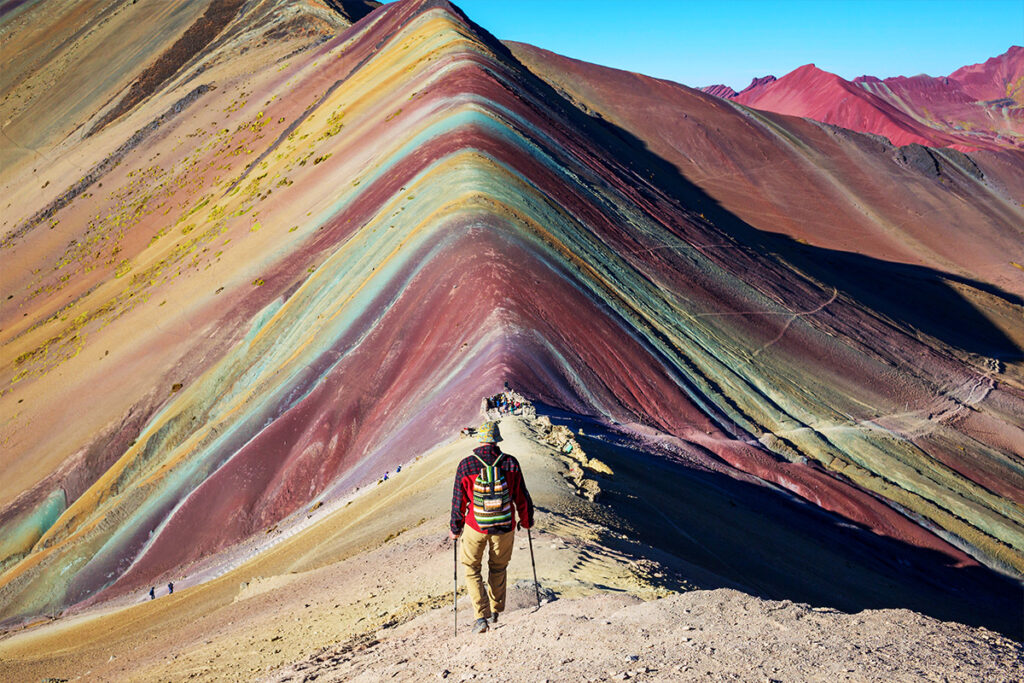
Day 8: Cusco — Free Day (Optional Vinicunca Rainbow Mountain Tour) A free day in Cusco to relax or explore. Optional guided day trip to Vinicunca (Rainbow Mountain) available at additional cost — a striking high-altitude landscape of multicoloured mineral deposits at over 5,000m.
Day 9: Cusco to Lima — Depart Peru Transfer to the airport for your return flight via Lima.
Day 10: Arrive Dublin
How much does the Salkantay trek to Machu Picchu cost? The trek costs €3,550 land only with Pat Falvey Irish & Worldwide Adventures. This covers hotel accommodation in Lima and Cusco, all camping and meals during the trek, park fees, guides, porters, communal gear, sleeping bags, and mattresses. International and internal flights, travel insurance, personal gear, and city meals are not included. A €500 deposit secures your place, with the balance due 16 weeks before departure.
How much does it cost to trek to Machu Picchu from Ireland? The total cost from Ireland is typically €4,500 to €5,500 depending on flight prices. The land cost is €3,550 and return flights from Dublin to Lima via a European or Middle Eastern hub usually cost €700 to €1,200. Internal flights between Lima and Cusco add approximately €100 to €200. Travel insurance adds a small amount on top.
How hard is the Salkantay trek? The trek is graded moderate to strenuous. The hardest day is Day 4, when you cross the Salkantay Pass at 4,650m — a sustained climb at altitude followed by a long descent. The remaining days are at lower altitudes through easier terrain. You should be comfortable walking 5 to 7 hours per day on uneven ground. Two acclimatisation days in Cusco before the trek help your body adjust.
What is the difference between this trek and the classic Inca Trail? The classic Inca Trail follows the original Inca road to Machu Picchu and is limited to 500 people per day, meaning permits must be booked months in advance. Our Salkantay route takes a different path via the 4,650m Salkantay Pass, through a wider range of landscapes, and still includes a section of original Inca trail at Llactapata with views of the Machu Picchu sanctuary. Both routes finish at Machu Picchu with a full guided tour of the citadel. The Salkantay is less crowded, more physically varied, and does not require the limited classic trail permits.
Is this the real Inca Trail? The Salkantay route includes a section of original Inca trail at Llactapata — an Inca archaeological site with direct views of Machu Picchu — so you are walking on genuine Inca pathways before arriving at the citadel. The “classic” Inca Trail is a specific 4-day route that requires government permits. Our Salkantay route covers more diverse terrain, reaches higher altitudes, and is widely regarded as the best alternative trek to Machu Picchu.
When is the best time to trek to Machu Picchu? The best months are May to September — Peru’s dry season — when skies are clearest and trails are driest. Pat’s group departures in July and September fall within this window. The wet season (November to March) brings heavy rain and reduced visibility.
Do I need to be very fit? You need a reasonable level of fitness. The Salkantay Pass day is demanding at altitude, but the rest of the trek is moderate. If you can hike for 6 to 7 hours over hilly terrain, you are well prepared. We recommend starting a training programme 3 to 4 months before departure, focusing on hill walking and cardiovascular fitness.
What altitude does the Salkantay trek reach? The highest point is the Salkantay Pass at 4,650m. You spend two days acclimatising in Cusco at 3,400m before the trek begins. After crossing the pass, you descend quickly into the subtropical valley, and the remainder of the trek is at much lower altitudes.
Do I need a visa for Peru? Irish and UK passport holders do not currently need a visa for tourist visits to Peru of up to 90 days. Check with your passport office for the most up-to-date entry requirements before travelling.
Can I visit Machu Picchu from Ireland? Yes — Pat Falvey’s team runs group departures from Dublin to Machu Picchu via the Salkantay trek. The trip is 10 days total. All logistics are handled from Ireland including flights, accommodation, transfers, guides, porters, and your Machu Picchu tour.
Can I add a Vinicunca Rainbow Mountain trip? Yes — an optional guided day trip to Vinicunca (Rainbow Mountain) is available on Day 8 at additional cost. This is a spectacular high-altitude landscape of multicoloured mineral deposits above 5,000m, about 3 hours from Cusco.
JULY 20th
SEPTEMBER 12th
Land only €3,550
The land-only cost is €3,550. Secure your spot with a refundable €500 deposit at booking. Flight costs are confirmed separately. Full payment is due 16 weeks before departure.
Hotel accommodation (B&B) in Lima and Cusco Park and permit fees All camping, meals, and water during the trek All accommodation based on twin/treble sharing of rooms and tents (single accommodation available on request at additional cost) Guides, porters, and communal gear Headlamp, first aid kit, pillow, sleeping bag, and mattress.
International flights (Dublin–Lima–Dublin) Internal flights (Lima–Cusco–Lima) Meals in cities before and after the trek Bar bills and laundry Travel insurance Personal gear and clothing Medication Insurance liability and hospital costs Independent flights: airport pick-up and drop-off costs not included.
Our trips are designed to avoid extra costs. If you choose to leave the trip early, additional expenses will apply.
Book Your Inca Trail & Machu Picchu Trek
Two group departures from Dublin in 2026: July 20th and September 12th. Pick your date and secure your spot with a €500 deposit. Private trips for groups of two or more can be arranged for any date. Our travel consultants will help you prepare for the trek — from gear advice to training plans.